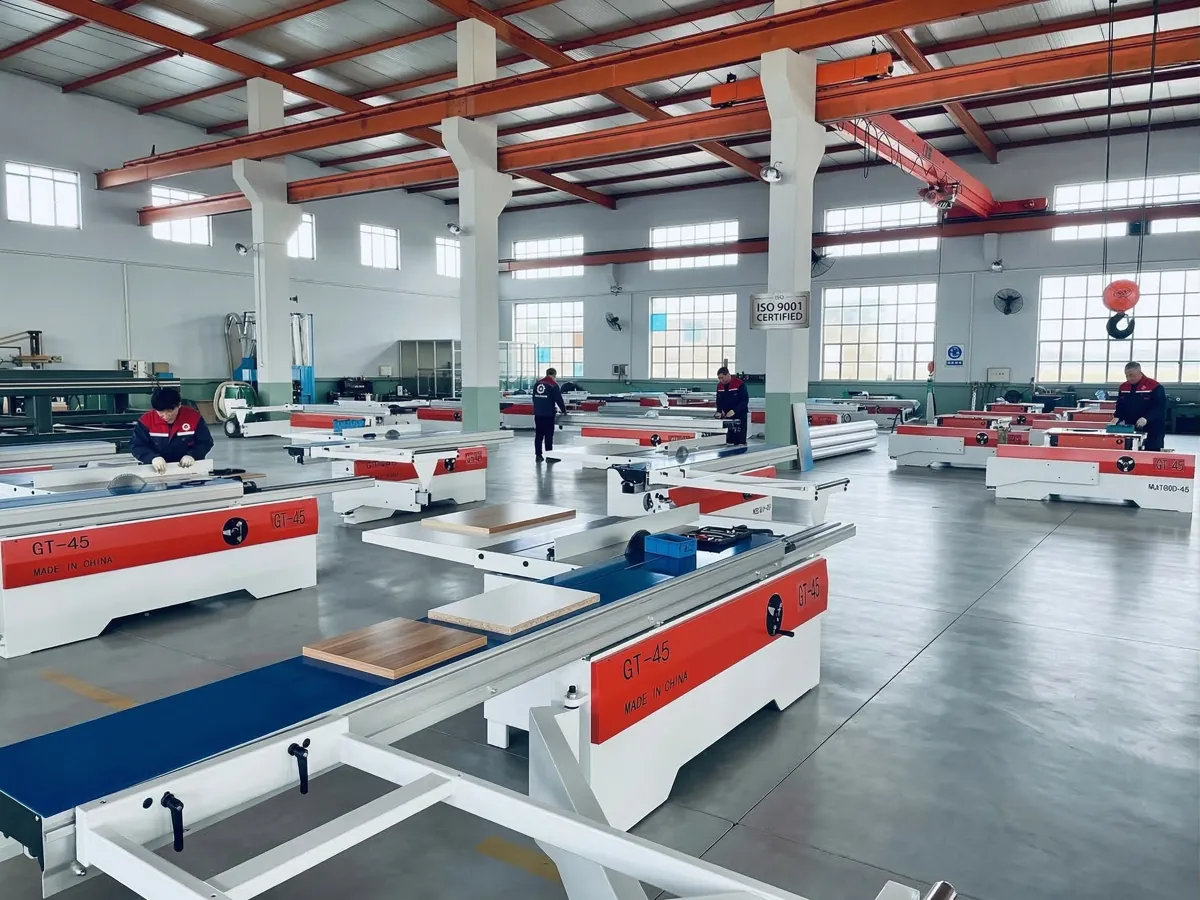
Application pages translate a buyer’s product into a machine brief. They do not claim that every listed model fits every panel: each page identifies the drawings, samples, utilities and order-specific facts that must be checked.
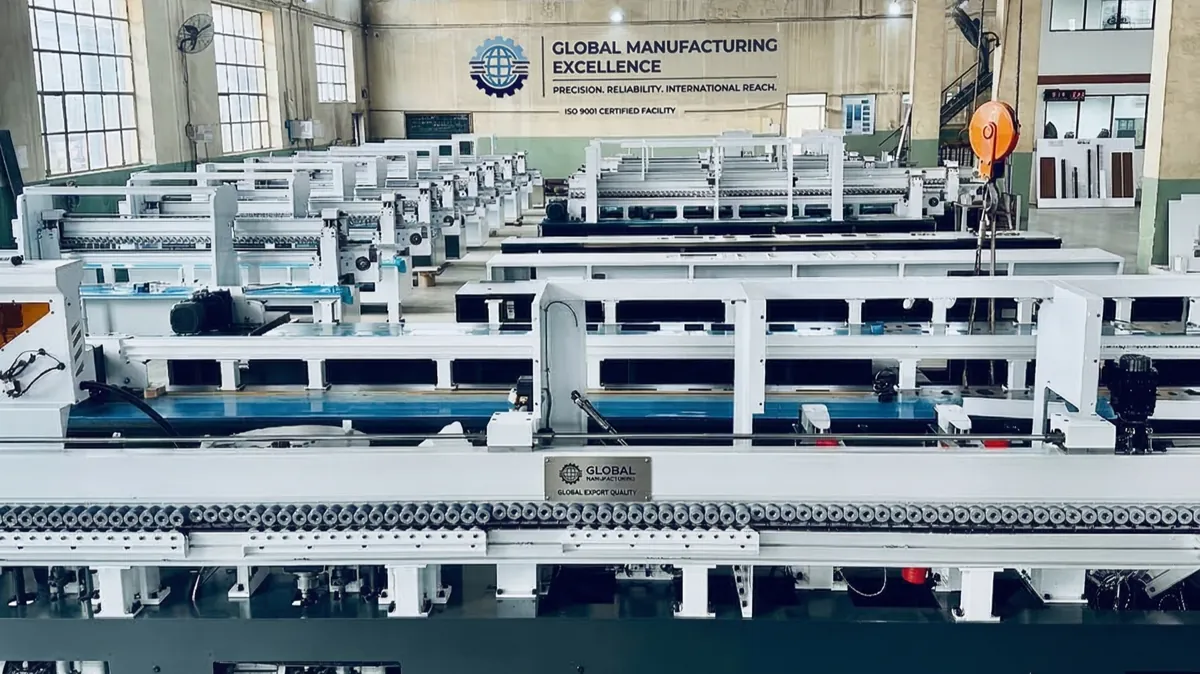
Export Process for Edge Banding Machines
An export quotation should identify the exact machine configuration, destination, electrical requirements, packing scope, document list and delivery basis. Lead time, Incoterm, installation, warranty and spare-parts terms belong in the written offer, not in a generic web promise.
Read the complete guide →
Choosing an Edge Banding Machine for Plywood Panels
Plywood suitability depends on edge condition, voids, veneer quality, tape, adhesive and the required finish. A buyer should send a representative sample and avoid assuming that a model suitable for MDF will produce the same result on every plywood grade.
Read the complete guide →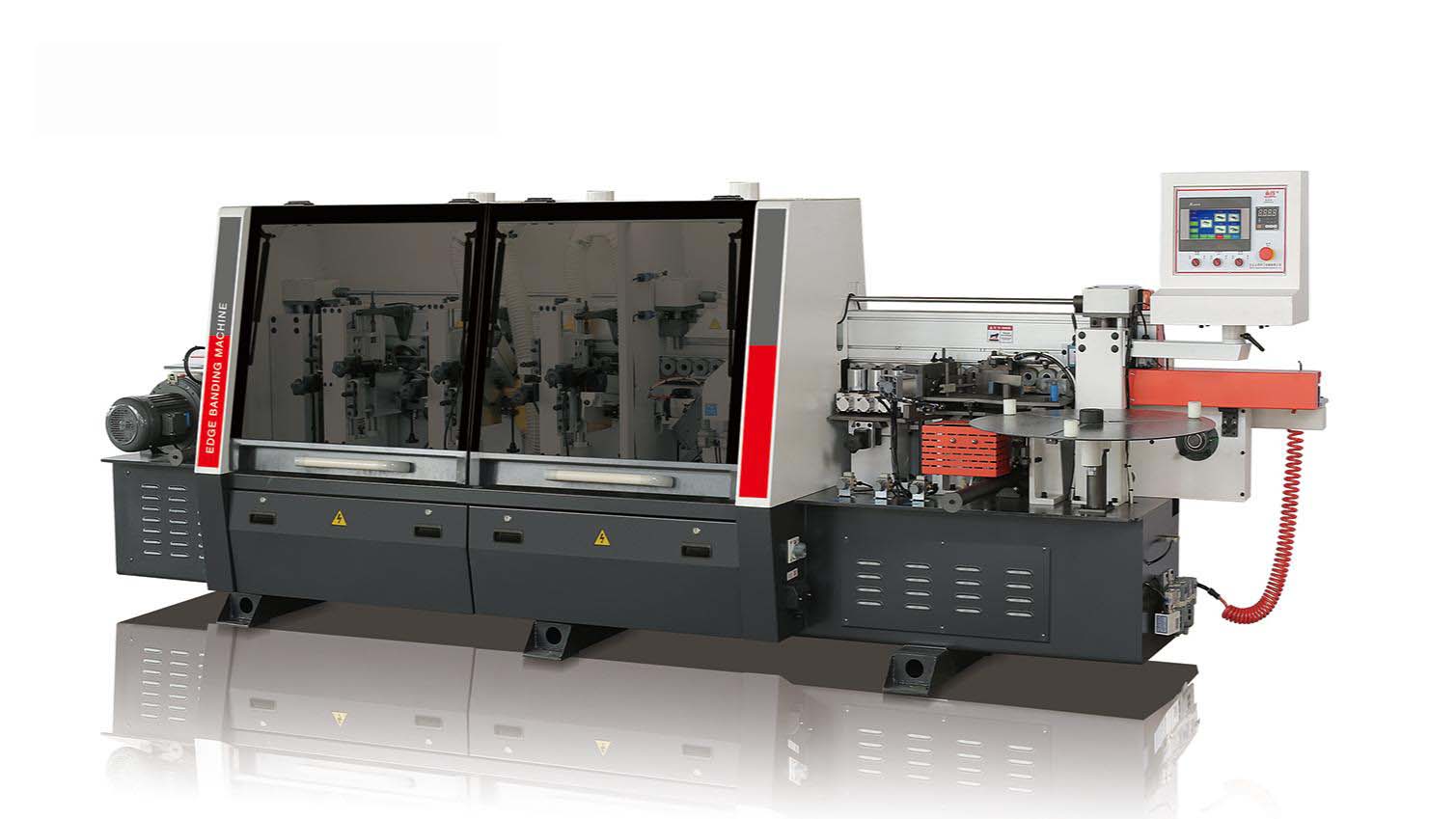
Edge Banding Machines for MDF Cabinet Doors
For MDF cabinet doors, the machine decision begins with door dimensions, edge profile, tape, adhesive and the appearance standard. Straight doors, corner-rounded doors and 45° handleless profiles require different station sequences.
Read the complete guide →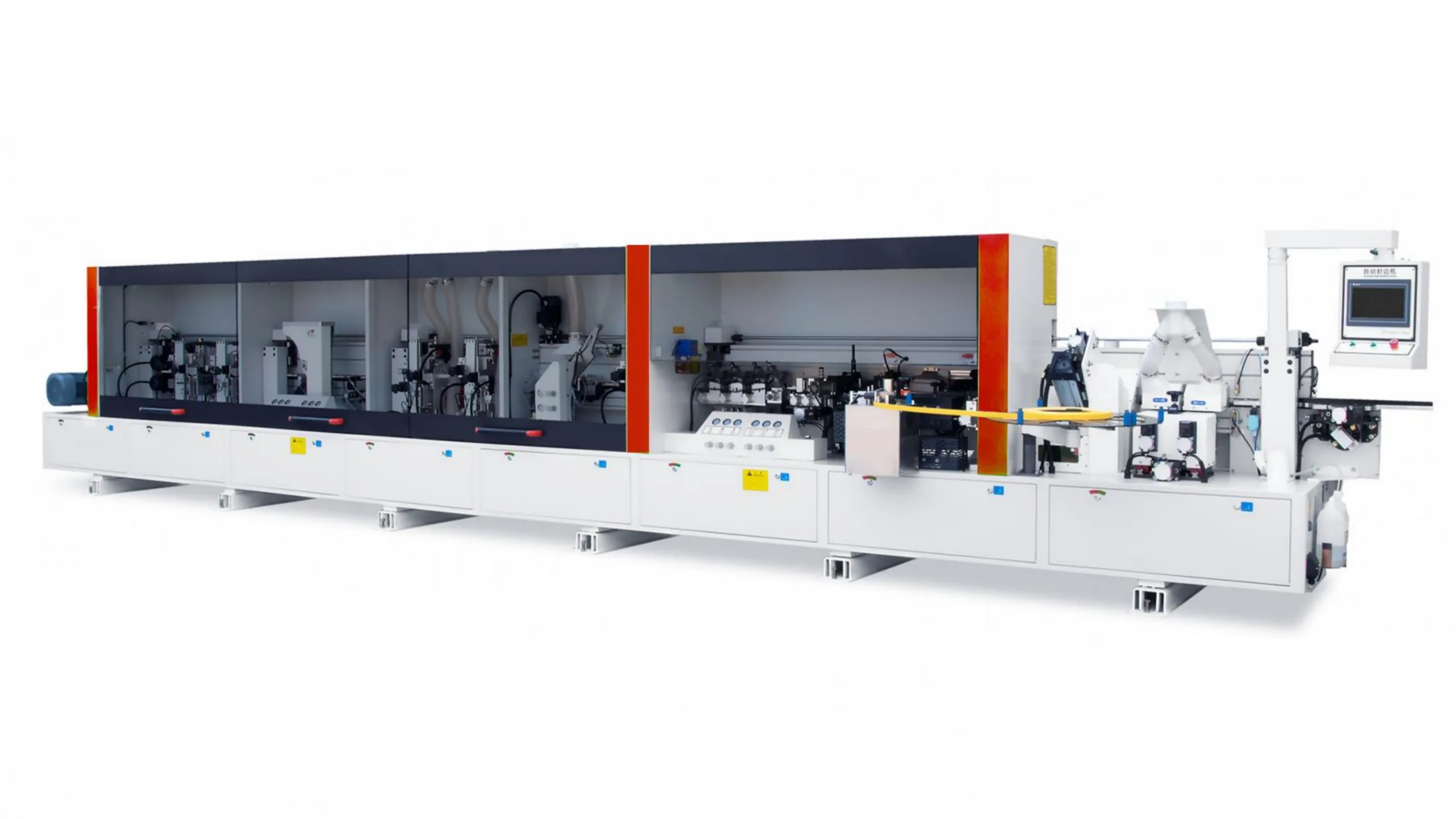
Edge Banding for Handleless and Bevel Cabinet Doors
A handleless or J-pull description is not enough to select a machine. Send the door cross-section, bevel angle, depth, panel thickness, tape and glue so the factory can confirm whether FM468JCD’s documented bevel process matches the actual geometry.
Read the complete guide →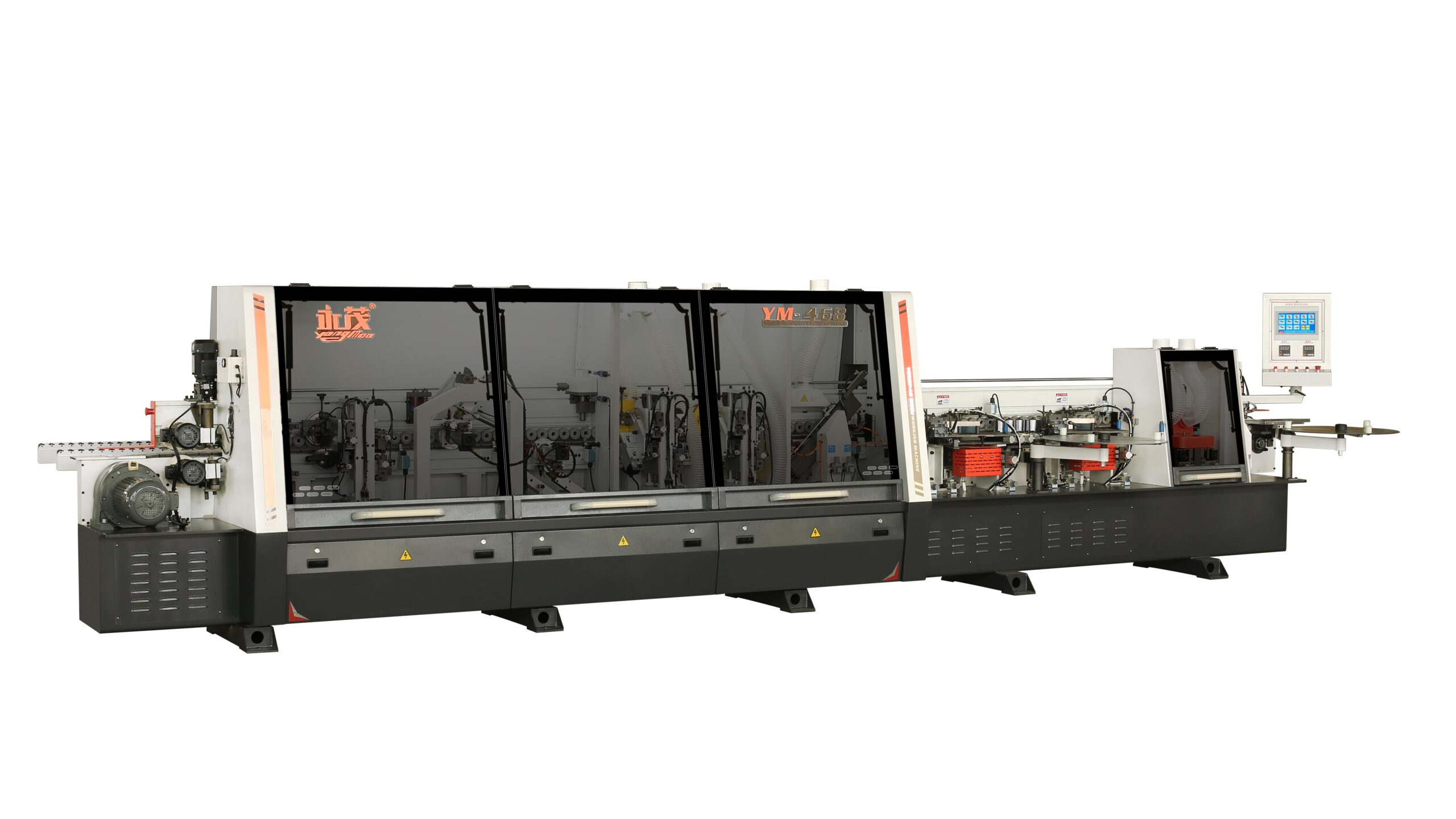
Edge Banding Machines for Kitchen and Bathroom Cabinets
Cabinet applications should be separated by panel, finish and exposure rather than labelled simply ‘kitchen’ or ‘bathroom’. PUR can be part of a moisture-resistant process, but it does not by itself guarantee a waterproof finished edge.
Read the complete guide →Edge Banding Machines for Panel Furniture Production
A panel-furniture line should be selected from its part mix: smallest and largest panels, straight versus rounded corners, edge material, saw-cut condition and shift output. YM-368 is a straight-edge reference point; longer models add pre-milling, corner trimming or special processes.
Read the complete guide →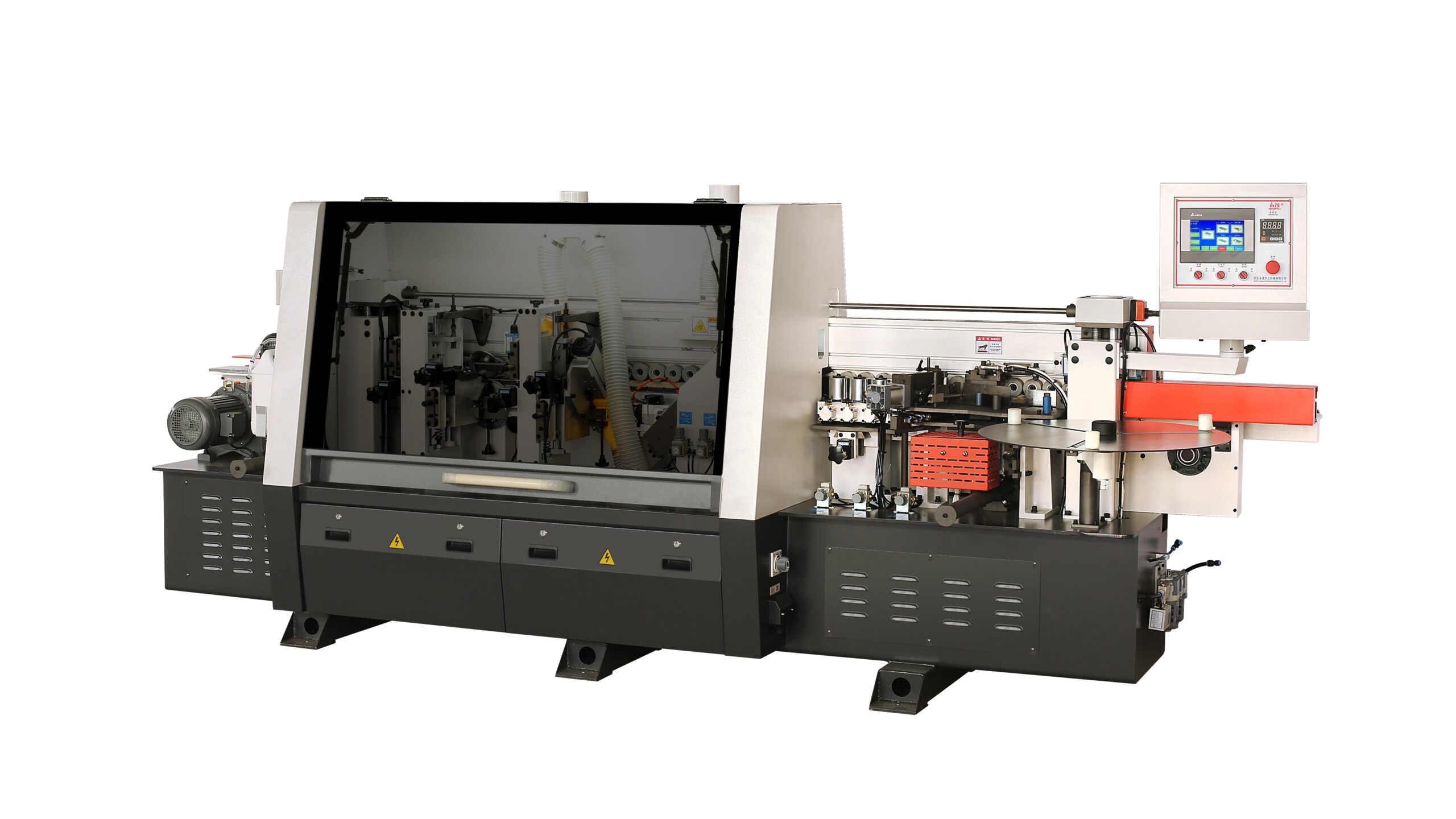
Choosing an Edge Banding Machine for a Small Workshop
A compact automatic edge banding machine is still industrial equipment. The 4,000 mm YM-365 body must be planned with infeed, outfeed, operator movement, power, extraction, compressed air and service access.
Read the complete guide →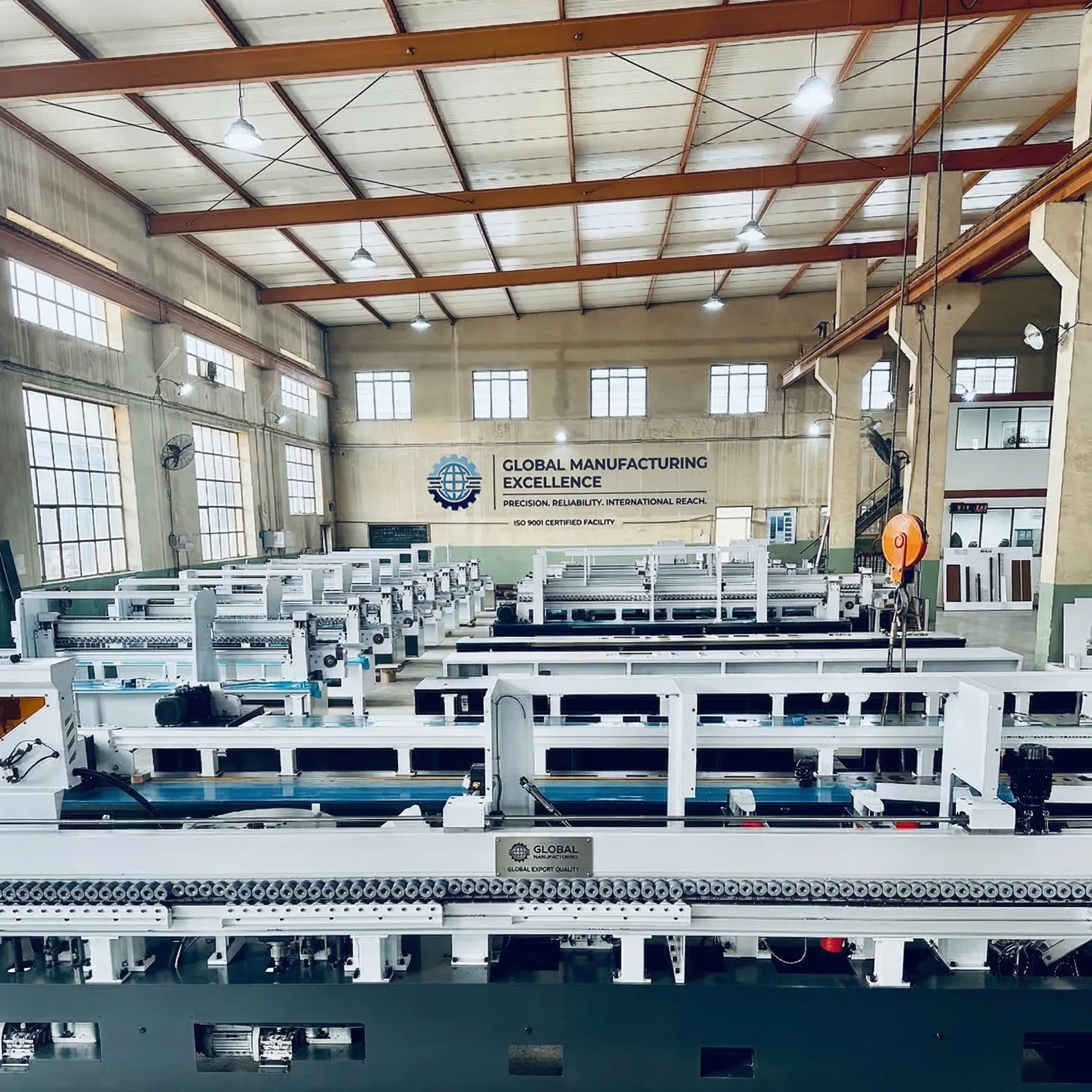
Selecting an Edge Banding Machine for Furniture-Factory Production
Higher production demand does not automatically select the longest machine. Buyers should model product mix, changeovers, rework, upstream cutting, downstream handling and the stations that eliminate secondary operations.
Read the complete guide →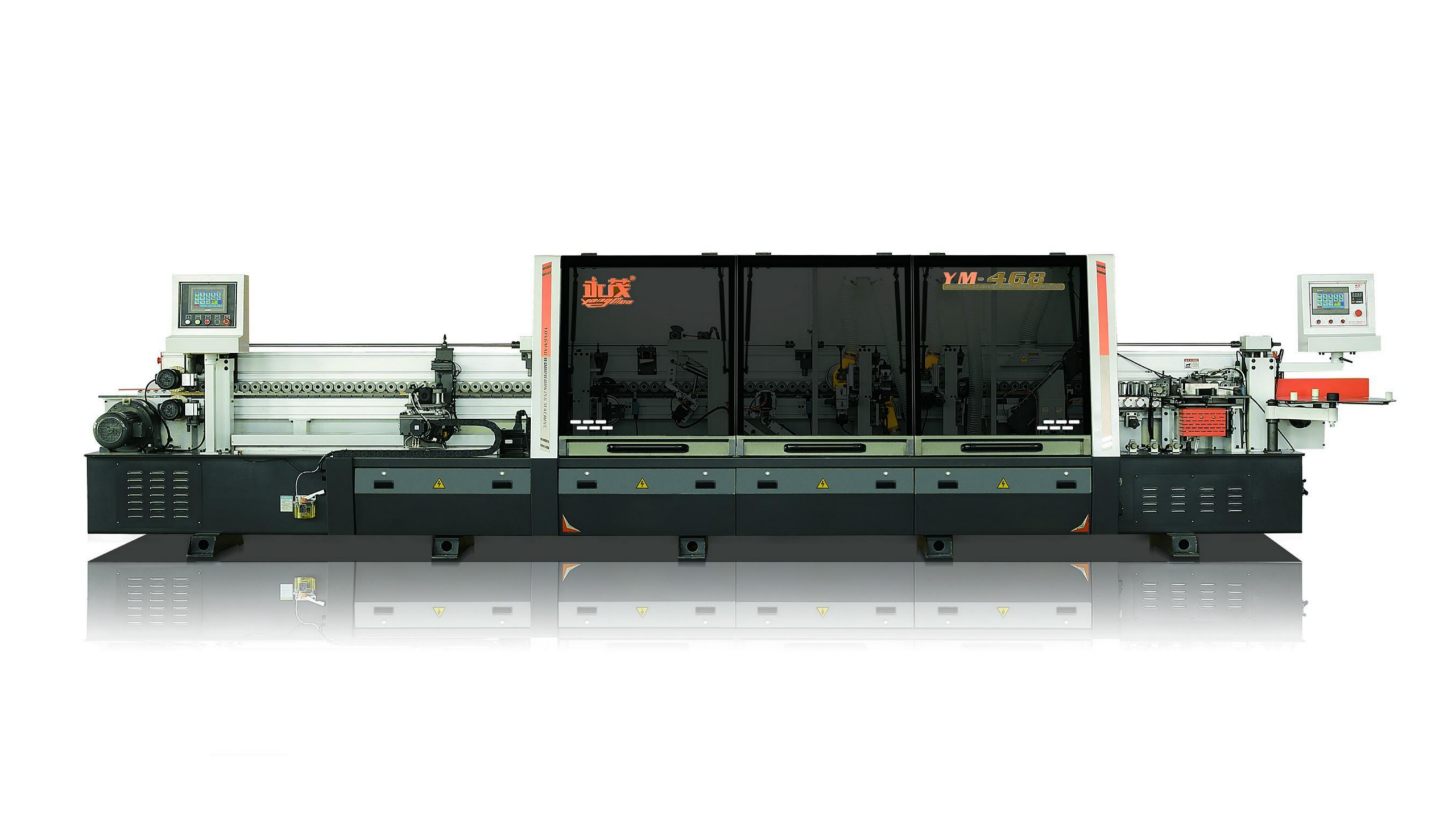
Edge Banding and Hinge-Hole Drilling
Combining edge banding and horizontal boring can fit workflows where the hole pattern, panel datum and product mix are stable. A drawing and sample test are required; the website does not claim a universal hinge pattern or accuracy.
Read the complete guide →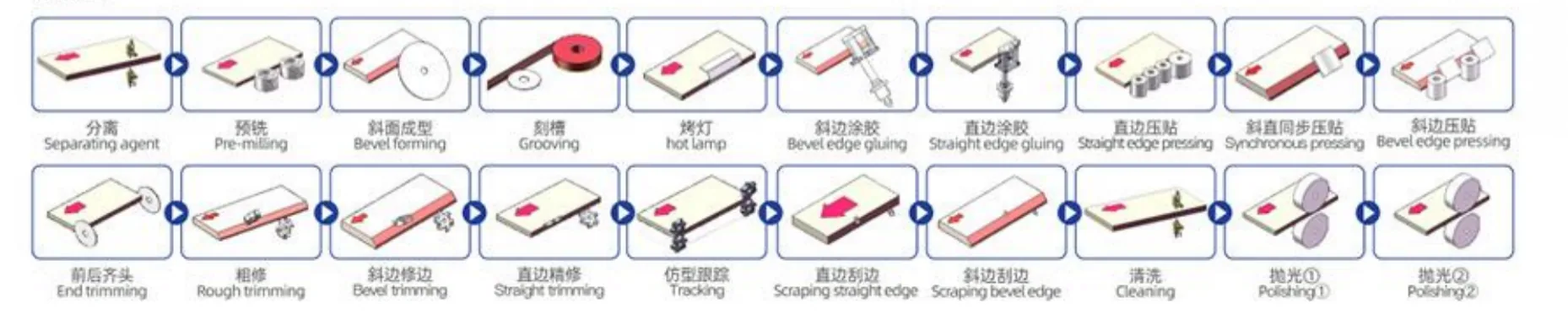
Edge Banding for 45-Degree Bevel Edges
A 45-degree edge requires more than an angle setting. The panel thickness, bevel depth, tape path, adhesive, reference face and visible joint must be confirmed against a dimensioned drawing and production sample.
Read the complete guide →