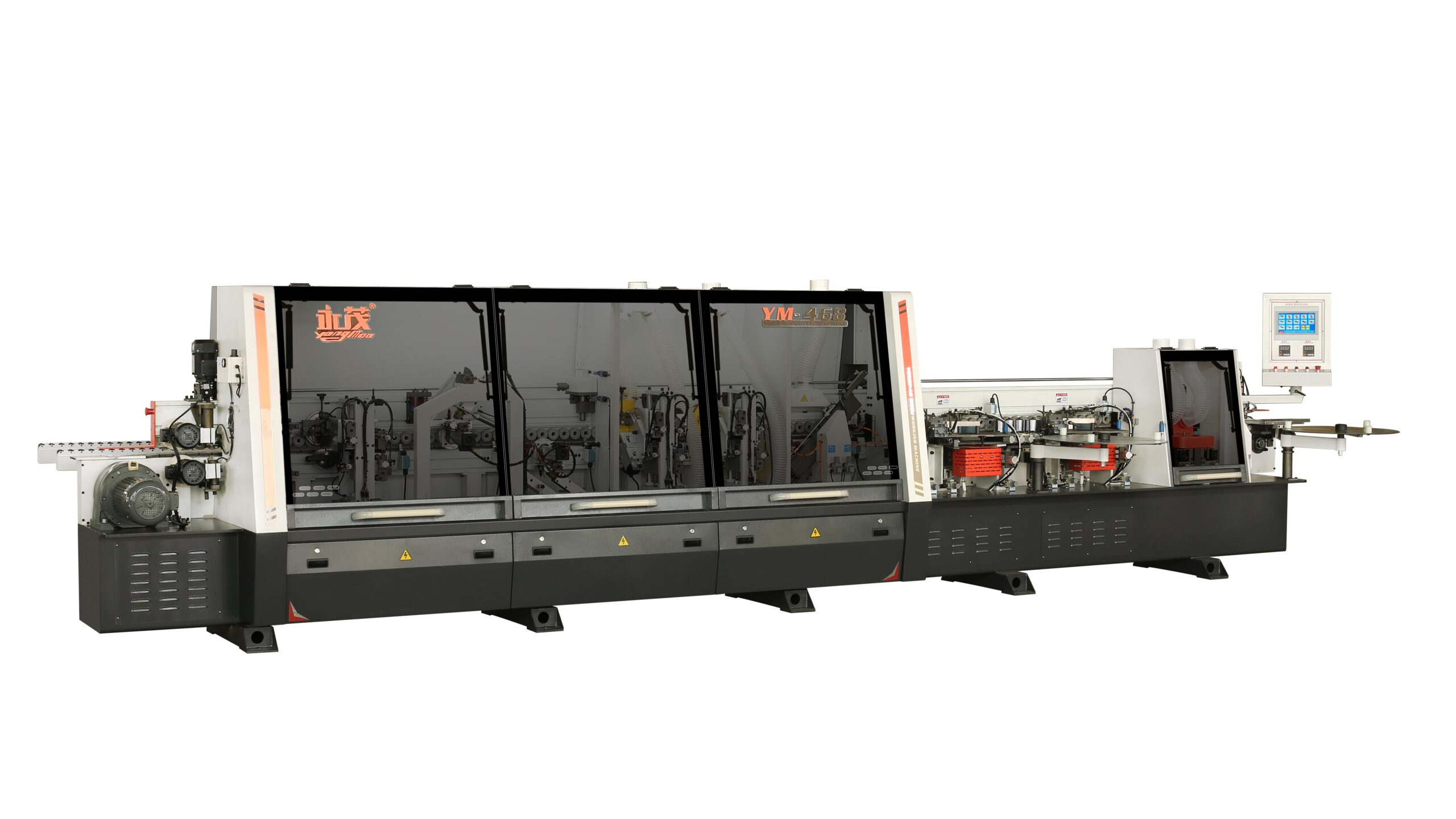
Cabinet applications should be separated by panel, finish and exposure rather than labelled simply ‘kitchen’ or ‘bathroom’. PUR can be part of a moisture-resistant process, but it does not by itself guarantee a waterproof finished edge.
Six checks before a model recommendation
Classify doors, carcasses, shelves and end panels
Record this item in the enquiry and mark unknown values for confirmation with the factory. Avoid turning an assumption into a purchase specification.
Identify wet-area exposure requirements
Record this item in the enquiry and mark unknown values for confirmation with the factory. Avoid turning an assumption into a purchase specification.
Define EVA or PUR process
Record this item in the enquiry and mark unknown values for confirmation with the factory. Avoid turning an assumption into a purchase specification.
Separate light and dark glue/tape changeovers
Record this item in the enquiry and mark unknown values for confirmation with the factory. Avoid turning an assumption into a purchase specification.
Confirm corner or bevel geometry
Record this item in the enquiry and mark unknown values for confirmation with the factory. Avoid turning an assumption into a purchase specification.
Request written adhesive-system scope
Record this item in the enquiry and mark unknown values for confirmation with the factory. Avoid turning an assumption into a purchase specification.
How to turn the application into a test plan
Select representative parts from the actual production mix, including the smallest recurring panel, the most visible finished edge and the material most likely to expose setup problems. Identify the acceptable result before the test starts.
The acceptance discussion should cover adhesion, leading and trailing ends, upper and lower trim, scraping, corners or profiles, bore position where relevant, and the result after cooling. Record the tape and adhesive used so the test can be repeated.
What belongs in the written offer
The quotation should name the model and variant, stations, options, electrical configuration, supplied tooling, documents, spare parts, packing, delivery basis and support. Website descriptions help prepare the conversation; they are not a substitute for the signed specification.
Frequently Asked Questions
What is the first decision for edge banding machine for kitchen cabinets?
Cabinet applications should be separated by panel, finish and exposure rather than labelled simply ‘kitchen’ or ‘bathroom’. PUR can be part of a moisture-resistant process, but it does not by itself guarantee a waterproof finished edge.
Can a model be selected from the application name alone?
No. Panel range, tape, adhesive, edge geometry, output and factory conditions must be checked against the exact machine.
What should be sent for a model review?
Classify doors, carcasses, shelves and end panels; Identify wet-area exposure requirements; Define EVA or PUR process; Separate light and dark glue/tape changeovers.